
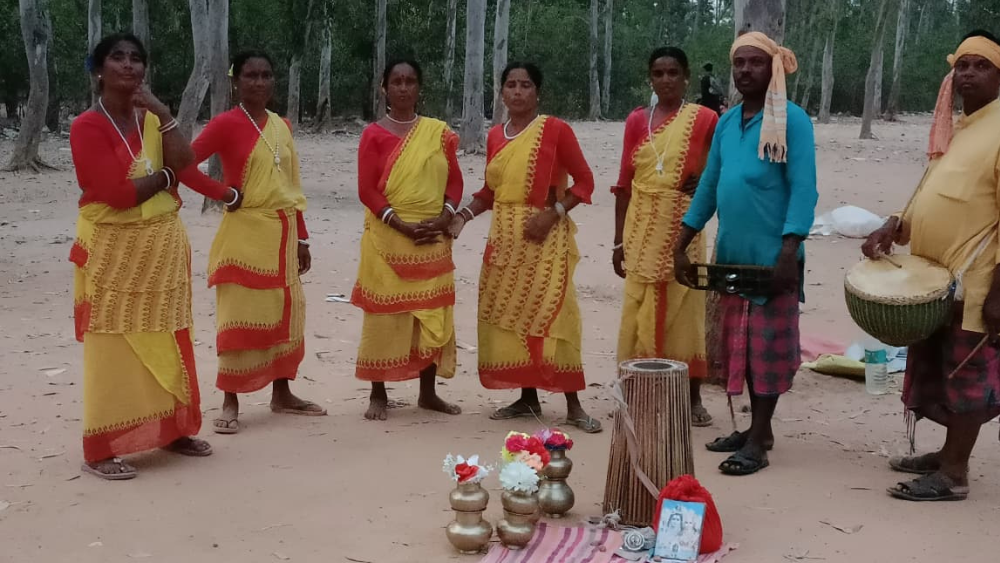

If there is one place that truly captures the bohemian spirit, artistic heritage, and rustic charm of Bengal, it is the Sonajhuri Haat in Santiniketan. Nestled amidst the whispering Sonajhuri trees and the undulating red-earth landscapes known as Khoai, this weekly Saturday market is far more than just a place to shop. It is a sensory celebration of music, dance, and craftsmanship that brings Rabindranath Tagore’s vision to life.
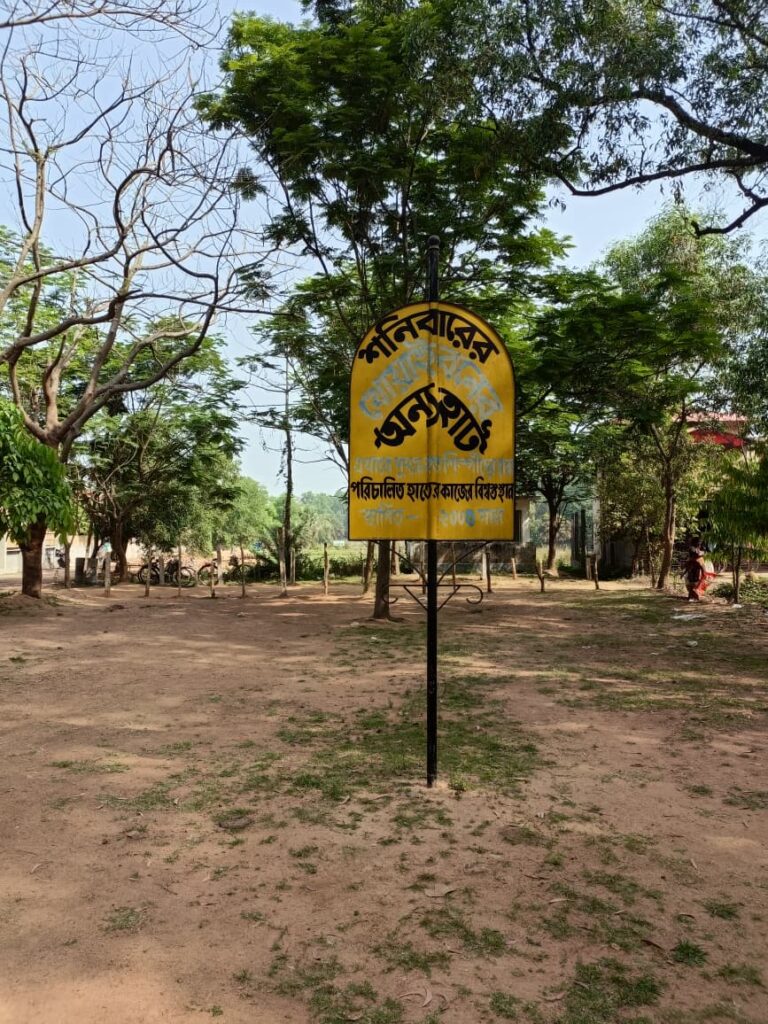
The Magic of the Khoai Landscape
The market is in the Birbhum district, just a few kilometres from Visva-Bharati University’s main campus. The term “Sonajhuri” refers to the trees that dominate this forest, known for their tiny yellow flowers that carpet the ground during the season.
The geography here is unique—the Khoai or canyon-like structures formed by wind and water erosion create a dramatic backdrop. As the golden afternoon sun filters through the slender leaves of the Sonajhuri trees, the entire forest takes on a magical, ethereal glow, setting the perfect stage for the Saturday afternoon gathering.
A Cultural Extravaganza: Bauls and Santhals
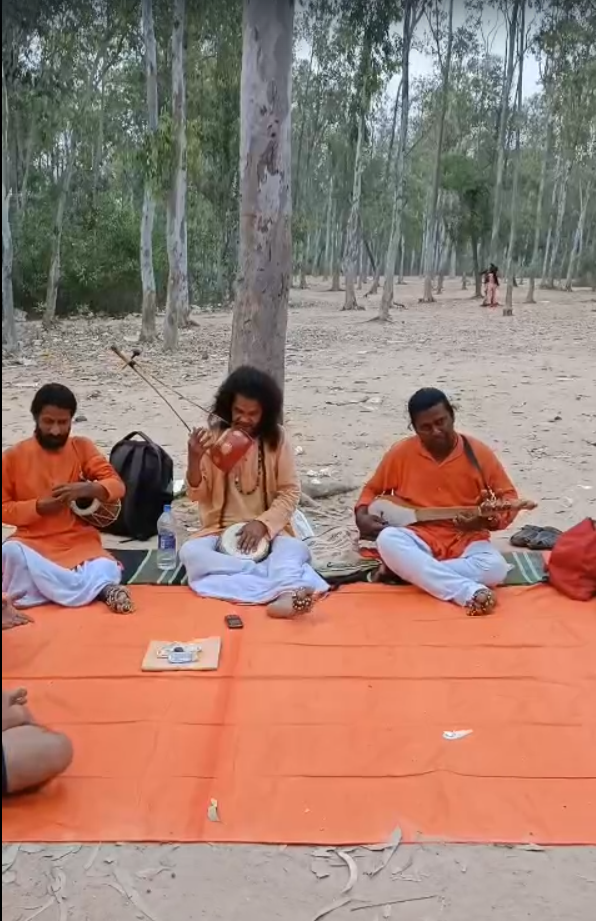
The heartbeat of Sonajhuri Haat is its music. As you wander through the dusty paths, you will be drawn to the soulful melodies of Baul singers. Dressed in saffron robes, with a Gopichand or Ektara in hand, these mystic minstrels sing songs of love, philosophy, and the human spirit. Their voices, raw and haunting, resonate through the trees, offering a spiritual experience unlike any other.
In another corner, you will find the local Santhali women in their traditional attire, performing rhythmic folk dances in a circle. Visitors are often encouraged to join in, making it a participatory celebration of tribal culture. This seamless blend of high art and folk tradition is what makes Santiniketan so special.
The Shopper’s Paradise: Authentic Bengal Crafts
For those who love sustainable fashion and handmade decor, Sonajhuri Haat is a treasure trove. Unlike commercial malls, every item sold here tells a story of rural empowerment and skill.
Textiles: Look for exquisite Kantha-stitch sarees, stoles, and bags. The intricate needlework is a hallmark of Birbhum’s artisans. You will also find beautiful Batik prints and hand-woven cotton garments.
Jewellery: The market is famous for its unique terracotta jewellery, hand-painted wooden beads, and Dokra (ancient bell-metal craft) ornaments.
Home Decor: From clay pottery and hand-carved wooden kitchenware to traditional masks and tribal paintings, the variety is endless.
The Food: A Taste of Rural Bengal
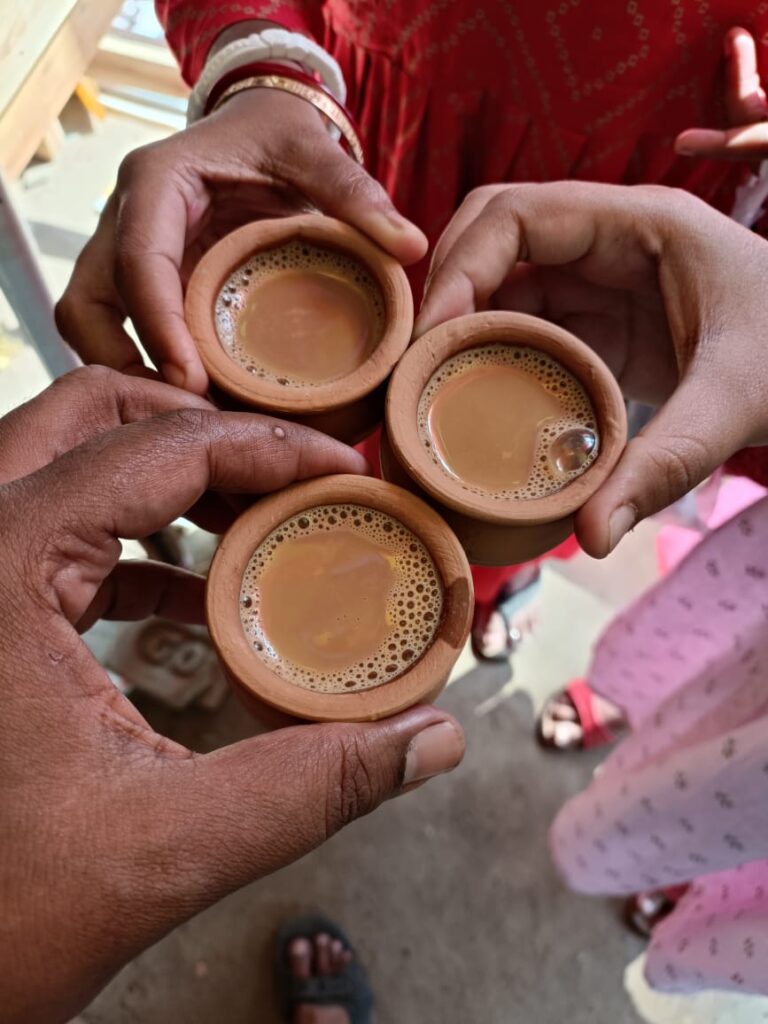
No visit to the Haat is complete without sampling the local delicacies. You can enjoy piping hot Piyaji (onion fritters), Ghighni, and locally made sweets. Often, you will find vendors selling fresh date palm juice or herbal tea served in earthen cups (Matir Bhand), adding to the authentic village experience.
How to Reach Santiniketan
Reaching Sonajhuri Haat from Rajpur Sonarpur or Kolkata is a delightful journey.
By Train: Take an express train from Howrah or Sealdah to Bolpur-Santiniketan station. From the station, hire a colourful ‘Toto’ (e-rickshaw) to reach the Sonajhuri forest. The 15–20 minute ride through the red-soil roads is a treat in itself.
By Road: The drive from Kolkata via the Durgapur Expressway takes about 4 hours. The roads are excellent, and the changing scenery from urban to rural Bengal is refreshing.
The Golden Rule: Remember, the main Haat only happens on Saturdays. It starts around 2:00 PM and winds down as the sun sets. Arriving early allows you to find the best crafts and secure a spot to watch the performances.
Conclusion
Sonajhuri Haat is not just a destination; it is an emotion. It reminds us of a slower pace of life, where art is celebrated in the lap of nature. For a travel blogger, it provides endless stories of colours, sounds, and the resilient spirit of Bengal’s artisans. On your next trip to Santiniketan, make sure to lose yourself in the rustle of the Sonajhuri leaves and the rhythm of the Baul’s song.
[…] beautiful setting lies Kankalitala Temple. Located just 9 kilometres away from the main town of Bolpur-Santiniketan, it’s an incredibly peaceful and holy temple. But it’s not just for those looking to pray; if […]